Tirano and Nebbiolo
Tirano and Nebbiolo
Tirano and Nebbiolo
Wine is part of Tirano’s identity and its landscape. The Nebbiolo of the Alps takes shape on the terraced vineyards that line the valley slopes, creating unique mountain wines. Tirano is a City of Wine and celebrates this vocation with Sforzato, a symbolic expression of the territory, and with the Eroico Rosso, a festival that highlights heroic viticulture and rural knowledge.
Sforzato and the Eroico Rosso Festival
The Sforzato di Valtellina DOCG is the iconic wine of the area: a dry red made from dried Nebbiolo grapes, the first of its kind in Italy to receive DOCG status.
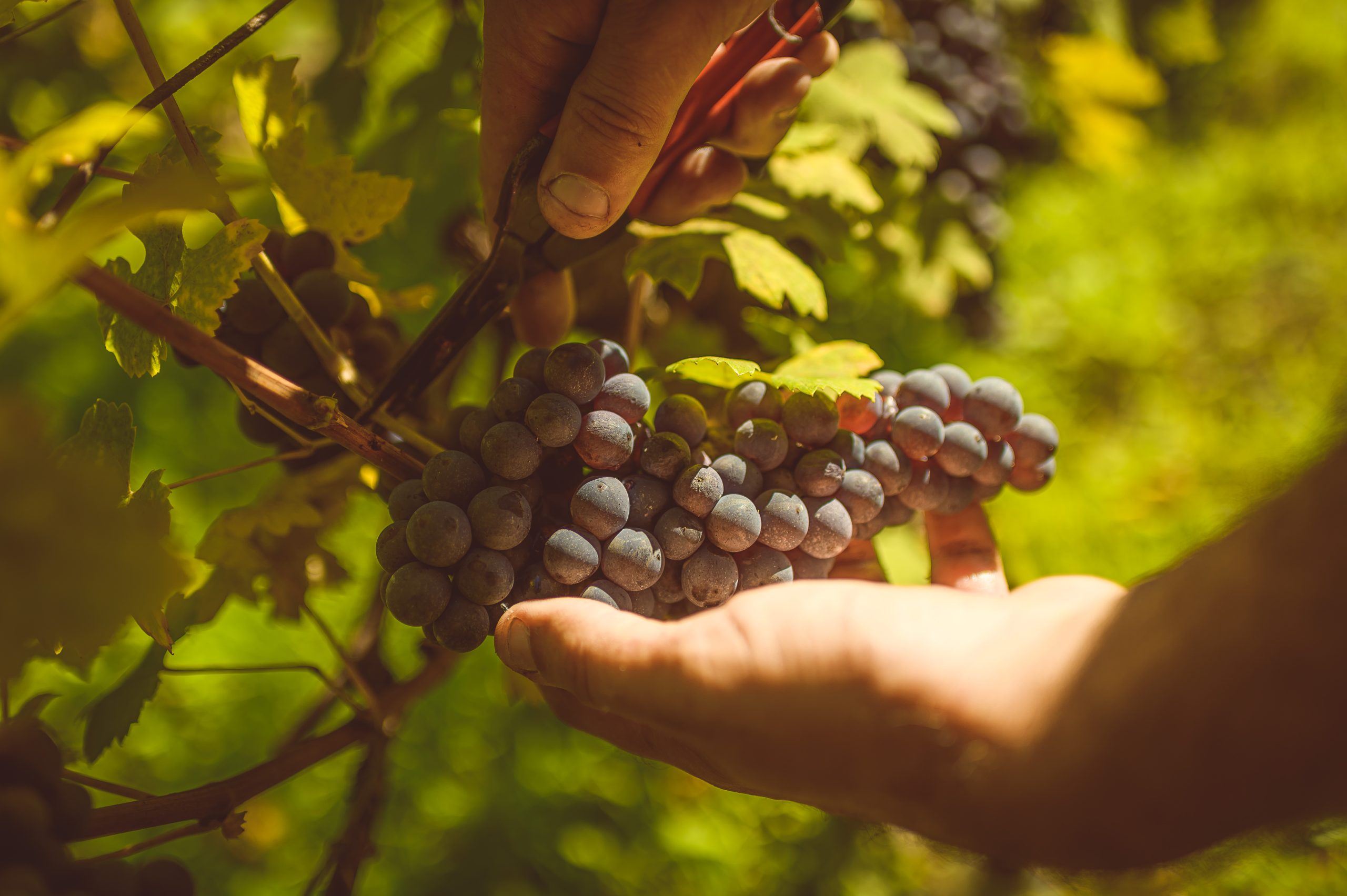
It is born from a careful selection of the best bunches left to dry for months before vinification, resulting in an intense yet refined wine, embodying patience and knowledge.
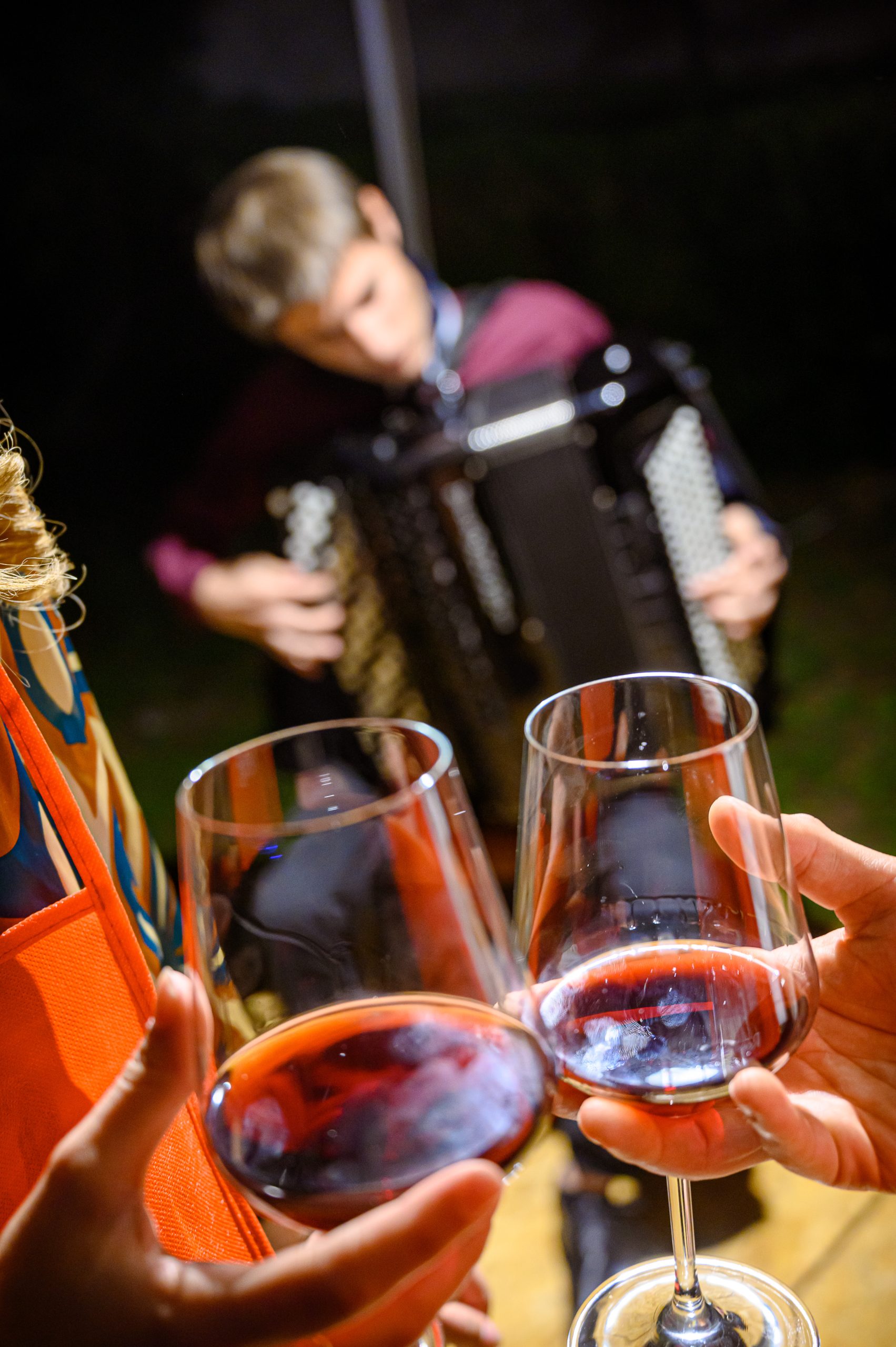
In Tirano, Sforzato takes center stage at the Eroico Rosso – Sforzato Wine Festival, an event that annually celebrates the culture of mountain wine, the producers, and the value of viticulture as an identity and sustainable heritage.
Sforzato and the Eroico Rosso Festival
The Sforzato di Valtellina DOCG is the iconic wine of the area: a dry red made from dried Nebbiolo grapes, the first of its kind in Italy to receive DOCG status.
It is born from a careful selection of the best bunches left to dry for months before vinification, resulting in an intense yet refined wine, embodying patience and knowledge.
In Tirano, Sforzato takes center stage at the Eroico Rosso – Sforzato Wine Festival, an event that annually celebrates the culture of mountain wine, the producers, and the value of viticulture as an identity and sustainable heritage.
Sforzato and the Eroico Rosso Festival
The Sforzato di Valtellina DOCG is the iconic wine of the area: a dry red made from dried Nebbiolo grapes, the first of its kind in Italy to receive DOCG status.
It is born from a careful selection of the best bunches left to dry for months before vinification, resulting in an intense yet refined wine, embodying patience and knowledge. In Tirano, Sforzato takes center stage at the Eroico Rosso – Sforzato Wine Festival, an event that annually celebrates the culture of mountain wine, the producers, and the value of viticulture as an identity and sustainable heritage.
Discover other Valtellina wines and travel the Wine Route
Alongside Sforzato, Valtellina offers a range of wines that tell the story of the entire region: Valtellina Superiore DOCG, with its historic subzones, Rosso di Valtellina DOC, and the Alpi Retiche IGT productions.
These denominations are connected by the Valtellina Wine Route, a thematic path that winds through vineyards, villages, and wineries, offering a journey through terraced landscapes, local traditions, and contemporary interpretations of the Nebbiolo of the Alps.
Discover other Valtellina wines and travel the Wine Route
Alongside Sforzato, Valtellina offers a range of wines that tell the story of the entire region: Valtellina Superiore DOCG, with its historic subzones, Rosso di Valtellina DOC, and the Alpi Retiche IGT productions.
These denominations are connected by the Valtellina Wine Route, a thematic path that winds through vineyards, villages, and wineries, offering a journey through terraced landscapes, local traditions, and contemporary interpretations of the Nebbiolo of the Alps.
Discover other Valtellina wines and travel the Wine Route
Alongside Sforzato, Valtellina offers a range of wines that tell the story of the entire region: Valtellina Superiore DOCG, with its historic subzones, Rosso di Valtellina DOC, and the Alpi Retiche IGT productions.
These denominations are connected by the Valtellina Wine Route, a thematic path that winds through vineyards, villages, and wineries, offering a journey through terraced landscapes, local traditions, and contemporary interpretations of the Nebbiolo of the Alps.
The vineyard terraces, UNESCO Heritage
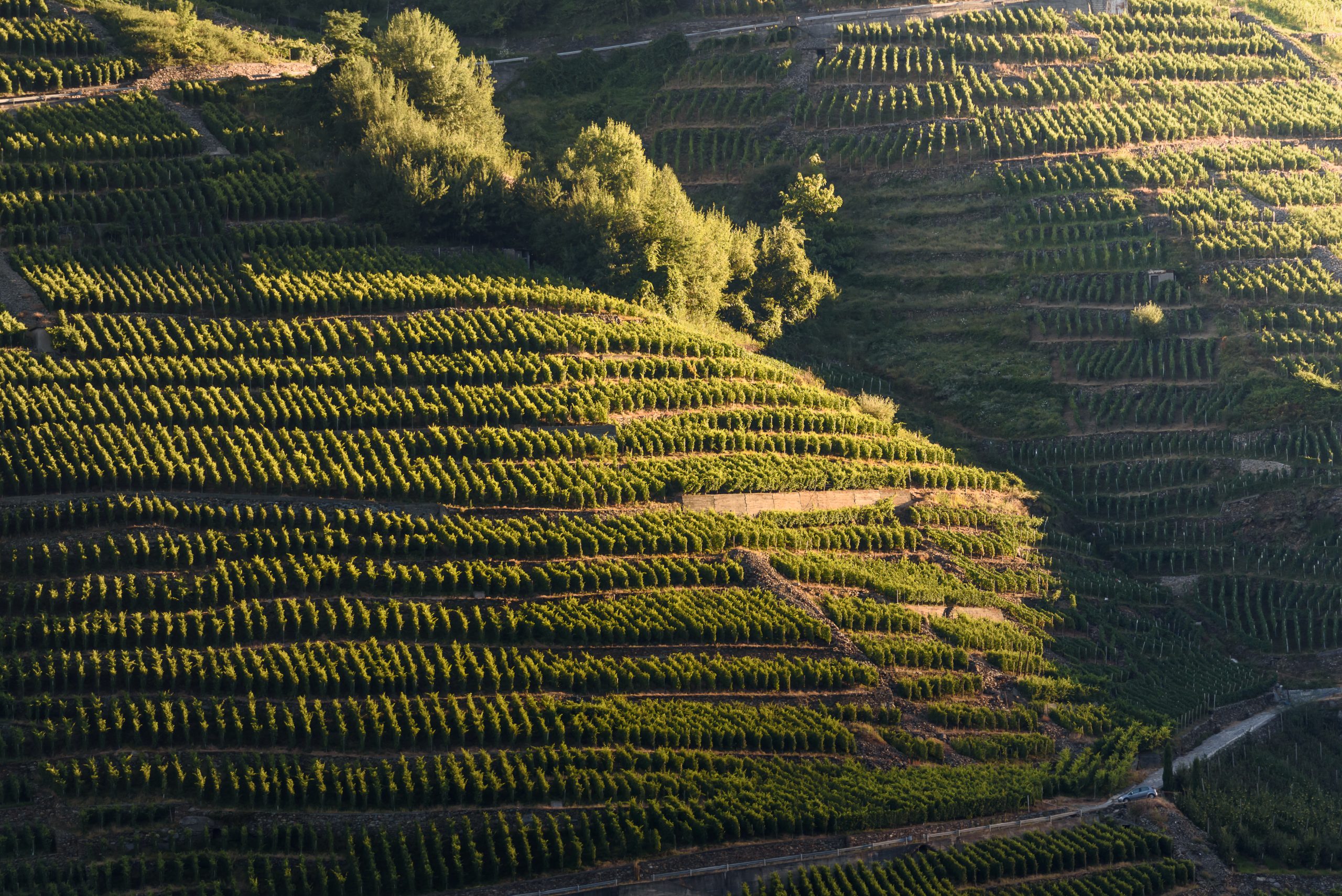
Valtellina viticulture is defined as “heroic” due to the extreme conditions in which it is practiced. The vineyards are developed on terraced slopes supported by approximately 2,500 kilometers of dry stone walls recognized as UNESCO Heritage (it is the art of dry stone wall construction that has been UNESCO heritage since 2018, not the dry stone walls themselves). Built and maintained over the centuries, these terraces shape the valley’s geomorphology and make vine cultivation in an alpine environment possible. A unique agricultural system, combining human ingenuity and nature, today a symbol of sustainability and landscape preservation.
The vineyard terraces, UNESCO Heritage
Valtellina viticulture is defined as “heroic” due to the extreme conditions in which it is practiced. The vineyards are developed on terraced slopes supported by approximately 2,500 kilometers of dry stone walls recognized as UNESCO Heritage (it is the art of dry stone wall construction that has been UNESCO heritage since 2018, not the dry stone walls themselves). Built and maintained over the centuries, these terraces shape the valley’s geomorphology and make vine cultivation in an alpine environment possible. A unique agricultural system, combining human ingenuity and nature, today a symbol of sustainability and landscape preservation.
The vineyard terraces, UNESCO Heritage
Valtellina viticulture is defined as “heroic” due to the extreme conditions in which it is practiced. The vineyards are developed on terraced slopes supported by approximately 2,500 kilometers of dry stone walls recognized as UNESCO Heritage (it is the art of dry stone wall construction that has been UNESCO heritage since 2018, not the dry stone walls themselves). Built and maintained over the centuries, these terraces shape the valley’s geomorphology and make vine cultivation in an alpine environment possible. A unique agricultural system, combining human ingenuity and nature, today a symbol of sustainability and landscape preservation.